Explore Complete Auto Repair Solutions to Keep Your Vehicle Running Flawlessly
Preserving a vehicle's performance requires a proactive approach to auto repair. Consistent maintenance is crucial to detect issues before they escalate. Understanding standard services, such as oil changes and brake inspections, can assist in this process. Moreover, choosing a reliable repair shop can make a considerable difference. Exploring these solutions can reveal how to keep a vehicle in prime condition, but the specifics of effective maintenance strategies may astonish many owners.
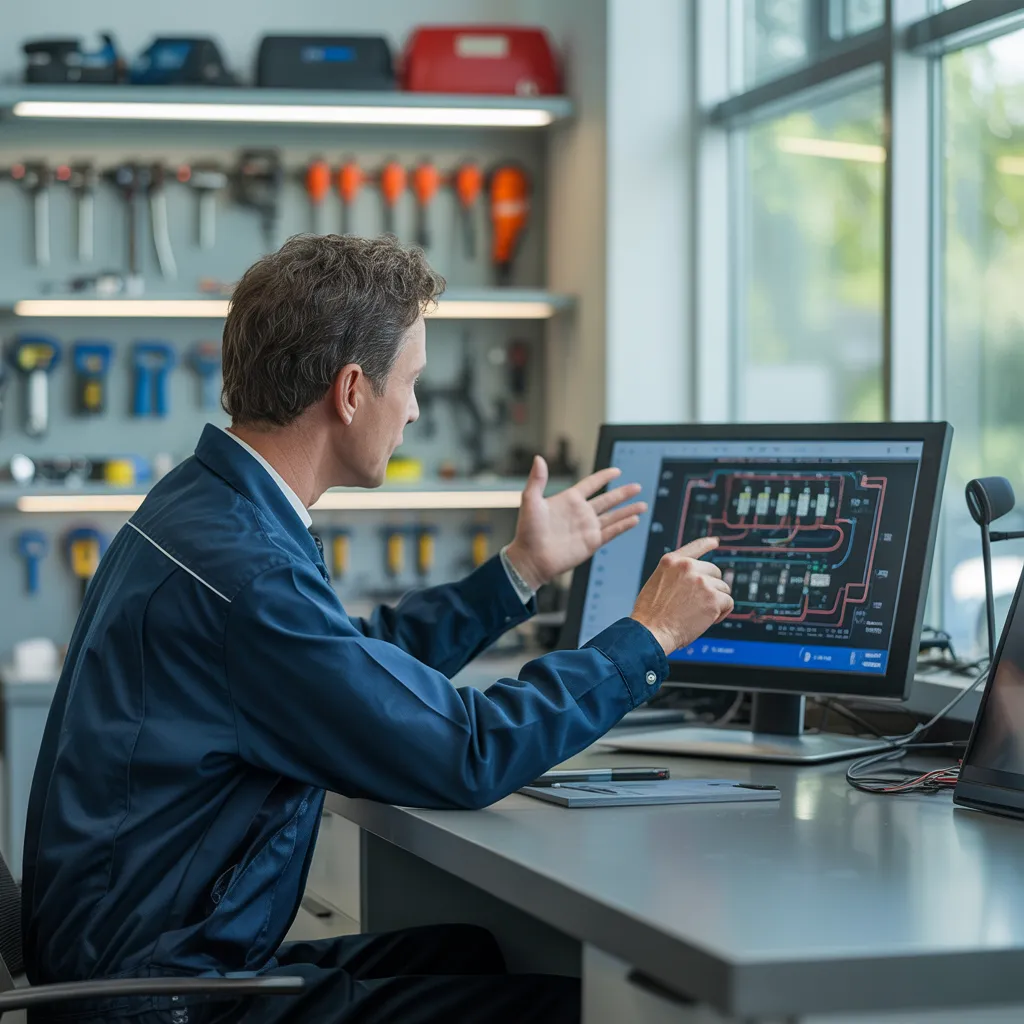
Importance of Routine Maintenance
Although many automobile owners could disregard routine care, the value of regular maintenance remains paramount. Routine servicing acts as a forward-thinking method to car ownership, substantially increasing a vehicle's durability and boosting its efficiency. It facilitates spotting potential malfunctions before they evolve into pricey repairs. Moreover, regular inspections can enhance gas mileage, guaranteeing that the automobile functions at its optimal capacity. Protection constitutes another essential factor; adequately maintained cars are less apt to suffer breakdowns or crashes stemming from mechanical issues. Additionally, adhering to a maintenance schedule often preserves warranty coverage, providing financial protection for owners. Conclusively, additional resource scheduled maintenance is not only a proposal but a fundamental commitment that directly determines a vehicle's consistency, safety, and general worth.
Regular Auto Maintenance Options
Common auto repair services encompass essential routine maintenance and critical brake system repairs. These services make certain vehicles perform safely and efficiently, addressing wear and tear that can occur over time. Understanding these offerings helps vehicle owners make informed decisions about their automotive needs.
Standard Maintenance Services
Standard maintenance procedures serve a vital function in preserving a vehicle's lifespan and operational capability. Such maintenance tasks usually involve oil changes, fluid assessments, tire rotations, and filter changes. Consistent oil changes support optimal engine condition, while monitoring fluid levels confirms that all systems work properly. Regular tire rotations support consistent wear distribution, increasing tire longevity and boosting safety. Moreover, replacing air and cabin filters contributes to improved air quality and engine efficiency. By following a regular maintenance timetable, vehicle proprietors can recognize potential concerns promptly, reducing the likelihood of costly repairs. In summary, these essential services support a vehicle's reliability and efficiency, supplying security to drivers and fostering an enhanced driving experience.
Brake System Maintenance and Repairs
Brake repair services are vital for maintaining automotive safety and functionality. This critical aspect of auto maintenance includes multiple parts, such as brake pads, rotors, calipers, and brake fluid. Routine checks can detect wear and tear, which, if not handled, may cause decreased stopping power and increased safety hazards. Typical repair work encompass changing deteriorated brake pads, refinishing or changing rotors, and flushing brake fluid to sustain hydraulic performance. Mechanics use assessment equipment to assess the complete braking system, ensuring all components function effectively. Regular brake system repairs not only enhance safety and also improve general vehicle lifespan, making them an essential component of comprehensive automotive care programs. Drivers should emphasize these services to ensure dependable operation.
Grasping Powertrain Diagnostics
Engine diagnostics serve a crucial function in pinpointing malfunctions within a vehicle's engine, guaranteeing optimal functionality and durability. Mechanics regularly employ diagnostic tools to extract and evaluate error codes produced by the vehicle's onboard computer system. Comprehending these codes is essential to effective troubleshooting and applying proper fix procedures.
Value of Engine Diagnostics
Despite the fact that many automobile owners could disregard the value of engine diagnostics, grasping this vital component of automotive service can prevent costly repairs and improve vehicle performance. Engine diagnostics entails comprehensively examining a vehicle's engine systems to detect potential issues before they escalate. Timely diagnostics can reveal problems such as engine misfiring, fuel consumption issues, and exhaust failures, which, if left unresolved, may result in considerable deterioration and high-priced maintenance. In addition, regular diagnostics help sustain maximum engine functionality, increasing fuel effectiveness and expanding the vehicle's lifespan. By prioritizing engine diagnostics, vehicle owners can confirm their automobiles perform optimally, reduce the likelihood of breakdowns, and ultimately cut costs over time. Committing to this maintenance is a proactive approach to vehicle upkeep.
Frequently Used Evaluation Tools
Successful engine diagnostics depend on a variety of common diagnostic tools that assist mechanics in detecting and addressing vehicle issues. One crucial tool is the OBD-II scanner, which connects to the vehicle's onboard diagnostics system, permitting technicians to retrieve trouble codes and monitor engine performance. Furthermore, multimeters are essential for measuring electrical signals, aiding diagnose issues associated with sensors and wiring. Compression testers assess the engine's internal health by measuring cylinder pressure, while timing lights ensure that spark timing is properly aligned. Vacuum gauges can reveal manifold pressure issues, suggesting potential leaks or blockages. Together, these tools provide a comprehensive understanding of engine condition, enabling effective repairs and maintenance for peak vehicle performance.
Decoding Trouble Codes
How are diagnostic codes interpreted by mechanics to determine vehicle malfunctions? Interpreting these codes requires a combination of technical expertise and the use of specialized diagnostic tools. Mechanics employ On-Board Diagnostics (OBD-II) systems to retrieve codes that show specific problems within the vehicle. Each code corresponds to a certain issue, ranging from engine misfires to sensor failures. Skilled technicians analyze these codes in combination with real-time data from the vehicle's performance metrics. This comprehensive approach helps them to identify the root cause of the problem rather than merely addressing symptoms. Additionally, staying updated with manufacturer guidelines and service bulletins strengthens their ability to interpret diagnostic codes efficiently, ensuring accurate and efficient repairs that keep vehicles running smoothly.
Safety and Brake Services
Maintaining vehicle safety relies heavily on the effectiveness of brake services. Proper brake maintenance is vital for avoiding accidents and ensuring seamless vehicle operation. Regular inspections can identify worn pads, damaged rotors, or fluid leaks that may diminish braking performance. Technicians stress the importance of addressing these issues immediately to avoid more significant damage and costly repairs in the future. Furthermore, understanding the signs of brake wear, such as grinding noises or reduced responsiveness, can help drivers in seeking timely assistance. Routine brake service not only boosts safety but also prolongs the lifespan of braking components. Finally, a well-maintained brake system is critical for peak vehicle performance and driver confidence on the road.
Selecting the Right Auto Repair Shop
Selecting the right auto repair shop can considerably impact the quality of vehicle maintenance and repairs. It is essential for vehicle owners to evaluate several factors when making this selection. Initially, researching the shop's reputation through online reviews and referrals from friends can provide valuable information. Furthermore, verifying certifications and qualifications of the mechanics confirms that the shop has the necessary expertise. A reliable auto repair shop should also offer transparent communication regarding services and repairs, allowing customers to make informed decisions. Moreover, a clean and organized and clean facility often reflects the professionalism and commitment of the technicians. Finally, choosing a reputable auto repair shop can lead to lasting vehicle health and increased safety on the road.
Budget-Friendly Solutions for Vehicle Upkeep
While vehicle maintenance can occasionally seem costly, there are numerous budget-friendly solutions that can help owners manage their expenses without compromising quality. Regular proactive maintenance, such as oil changes and tire rotations, can prolong a vehicle's lifespan and decrease the likelihood of expensive repairs. Employing DIY techniques for minor repairs or routine checks can also preserve money, while staying informed about recalls and warranty services guarantees that owners take full advantage of manufacturer support. Additionally, shopping around for competitive auto repair rates and looking for local mechanics can produce significant savings. By prioritizing maintenance and adopting a proactive approach, vehicle owners can keep their cars in excellent condition without breaking the bank.
Common Questions
How Regularly Should My Oil Be Changed?
Generally, it is advised to change oil every 3,000 to 5,000 miles, based on the vehicle and oil type. Consistent maintenance ensures maximum engine performance and longevity, avoiding potential issues and promoting smoother operation.
How Can I Tell If My Transmission Needs Repair?
Symptoms of transmission issues include slipping between gears, uncommon sounds, fluid leaks, warning lights, shift delays, or a burning smell. Immediate action on these symptoms can avert further damage and guarantee vehicle dependability and safety.
Am I Allowed to Do My Own Vehicle Maintenance?
Yes, people can handle their own vehicle maintenance if they have the appropriate tools, knowledge, and skills. That said, they should confirm they observe safety protocols and manufacturer guidelines to prevent potential mistakes or safety hazards.
What Action Should I Take When My Check Engine Light Is On?
When the check engine light illuminates, the driver should initially inspect for loose gas caps, then make use of an OBD-II scanner to diagnose the issue, and seek advice from a professional mechanic if needed for more thorough inspection.
How Can Weather Conditions Impact Your Vehicle's Performance?
Climate conditions greatly influence vehicle performance. As an example, harsh temperatures can compromise battery effectiveness, while rain or snow can decrease traction and expand stopping distances, necessitating adjustments in driving behavior and vehicle maintenance practices for safety.